
Introduction
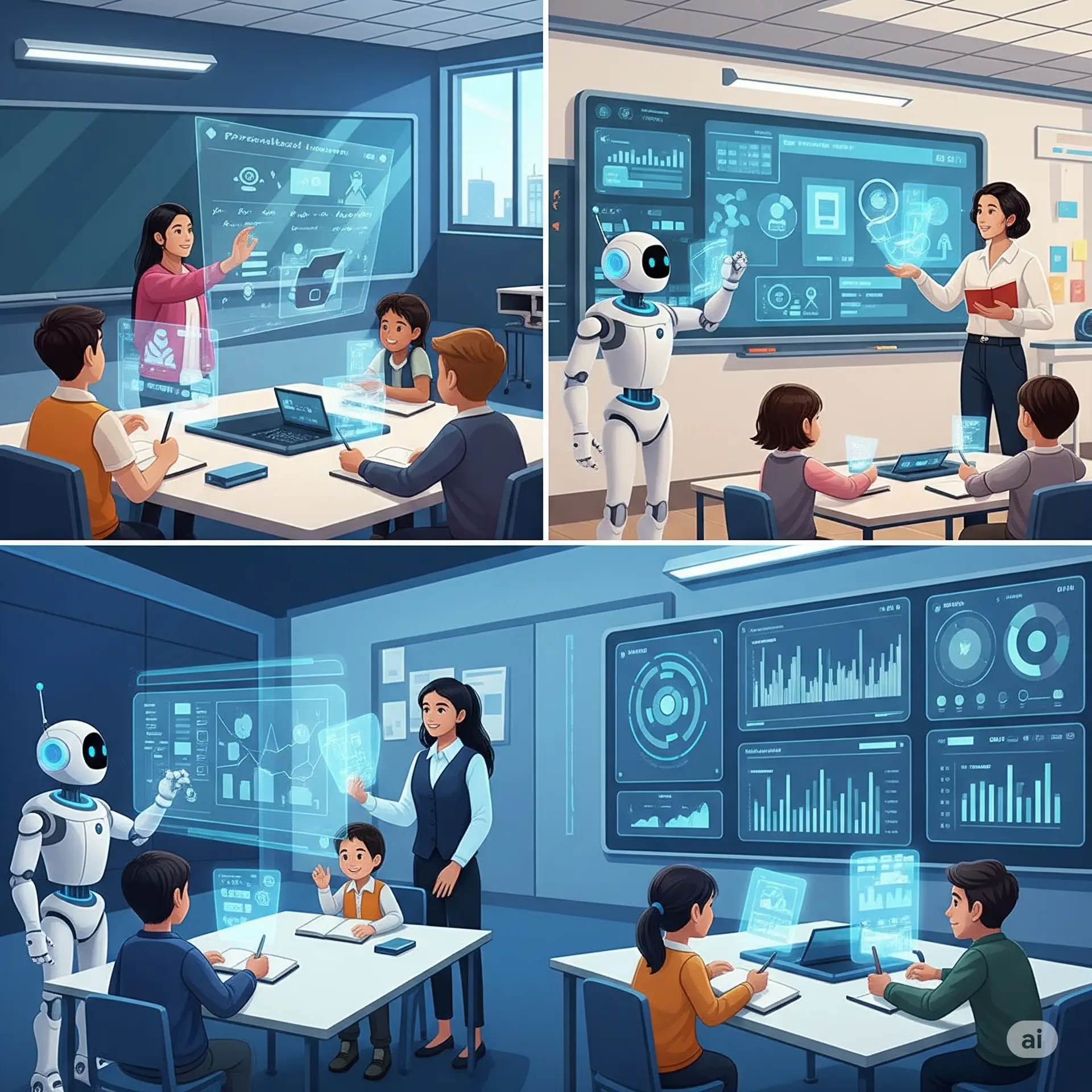
Imagine a classroom where every student learns at their own pace, where the teacher’s workload is reduced by AI-powered assistants, and where data-driven insights predict which students need extra help before they even realize it themselves. This is the promise of AI Pedagogy and EdTech AI — a revolutionary approach transforming education across the globe.
In this comprehensive guide, you’ll discover how these technologies work, why they matter, and how educators and institutions can harness their potential to build smarter, more inclusive, and effective learning environments. From the latest AI-powered platforms to ethical considerations, this post covers everything you need to understand to stay ahead in the evolving educational landscape.
Defining AI Pedagogy and EdTech AI
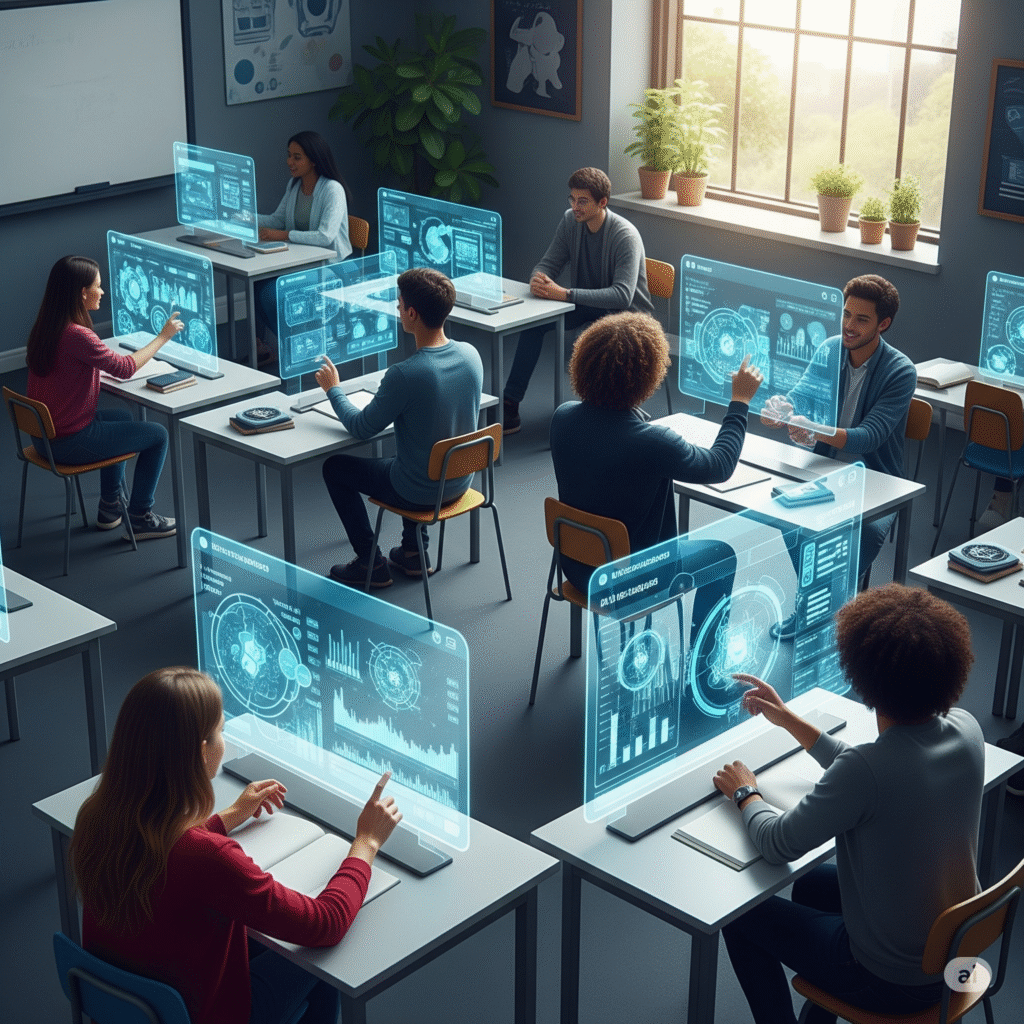
AI Pedagogy fundamentally rethinks the teaching process by embedding artificial intelligence within pedagogical frameworks. This means not only using AI tools but designing teaching strategies around them to maximize student engagement and learning outcomes.
Meanwhile, EdTech AI refers to the broad spectrum of technologies leveraging AI to improve educational delivery. This includes software for adaptive learning, automated grading systems, intelligent content recommendation, and more.
Together, these fields are inseparable and mutually reinforcing. While AI Pedagogy focuses on the “how” of teaching, EdTech AI supplies the “what” — the tools and applications driving the transformation.
The Evolution of Teaching: From Chalkboards to AI Engines
Education has always been shaped by technology — from the printing press enabling textbooks to the internet providing global access to knowledge. However, AI Pedagogy and EdTech AI mark a paradigm shift rather than a simple upgrade.
Where previous innovations enhanced efficiency or accessibility, AI transforms the personalization and intelligence of learning. Instead of one-size-fits-all, classrooms become dynamic ecosystems where lessons adjust instantly based on student needs.
Research Highlight: A 2023 report by HolonIQ projects that global AI EdTech investments will exceed $20 billion by 2027, underscoring the massive adoption wave underway.
How AI Pedagogy Is Personalizing the Learning Experience
The hallmark of AI Pedagogy is its ability to customize learning journeys. Here’s how:
- Dynamic Content Adjustment: AI systems analyze student interactions in real-time, adapting difficulty levels, topics, and formats based on performance.
- Learning Style Recognition: Some platforms assess whether a student prefers visual, auditory, or kinesthetic learning, tailoring materials accordingly.
- Continuous Assessment: Rather than relying solely on periodic tests, AI-enabled platforms provide ongoing formative assessments, enabling timely interventions.
Example: The platform Knewton Alta employs adaptive algorithms to continuously customize course material for higher education students, improving retention and engagement.
Inside EdTech AI: The Technology Behind the Shift
EdTech AI is powered by a blend of technologies that enable real-time data processing and decision-making:
- Machine Learning: Algorithms learn from vast amounts of educational data to predict outcomes and suggest improvements.
- Natural Language Processing (NLP): Used for grading essays, chatbot tutors, and understanding student queries.
- Computer Vision: Enables AI to read handwritten work or analyze classroom video feeds to monitor engagement.
- Speech Recognition: Supports voice-activated tutoring and accessibility tools.
By incorporating these into learning management systems and educational apps, EdTech AI creates responsive environments where students feel supported and teachers gain powerful insights.
Intelligent Tutoring Systems: The Digital Mentors
Intelligent tutoring systems (ITS) go beyond static lessons by mimicking a human tutor’s adaptability and responsiveness.
They typically consist of:
- Domain Model: The subject knowledge the system teaches.
- Student Model: The system’s understanding of the learner’s current knowledge state.
- Tutoring Model: The strategy for presenting content and feedback.
Case Study: Carnegie Learning’s ITS uses cognitive science and AI to tutor math students, resulting in a 23% average improvement in standardized test scores, as reported by RAND Corporation.
Machine Learning in the Classroom: Data-Driven Decisions
Machine learning provides educators with the ability to predict and personalize like never before.
- Early Warning Systems: ML algorithms analyze attendance, grades, and engagement to flag students at risk of dropping out.
- Content Optimization: AI identifies which teaching materials yield the best learning outcomes.
- Student Grouping: Based on learning styles and performance, AI can form study groups that maximize peer learning.
Insight: The U.S. Department of Education’s Office of Educational Technology emphasizes that integrating machine learning helps institutions move from reactive to proactive education.
Adaptive Learning in Education: Custom Paths for Every Learner
Adaptive learning platforms employ AI to design unique, evolving paths for students.
- They reduce frustration by avoiding material that is too easy or too difficult.
- They support diverse learners by presenting materials suited to individual backgrounds and preferences.
- Gamification elements in adaptive platforms increase motivation and engagement.
Example: DreamBox Learning’s math platform uses continuous data analysis to adapt lessons in real-time, resulting in measurable achievement gains across multiple districts.
The Human Side of Artificial Intelligence in Teaching
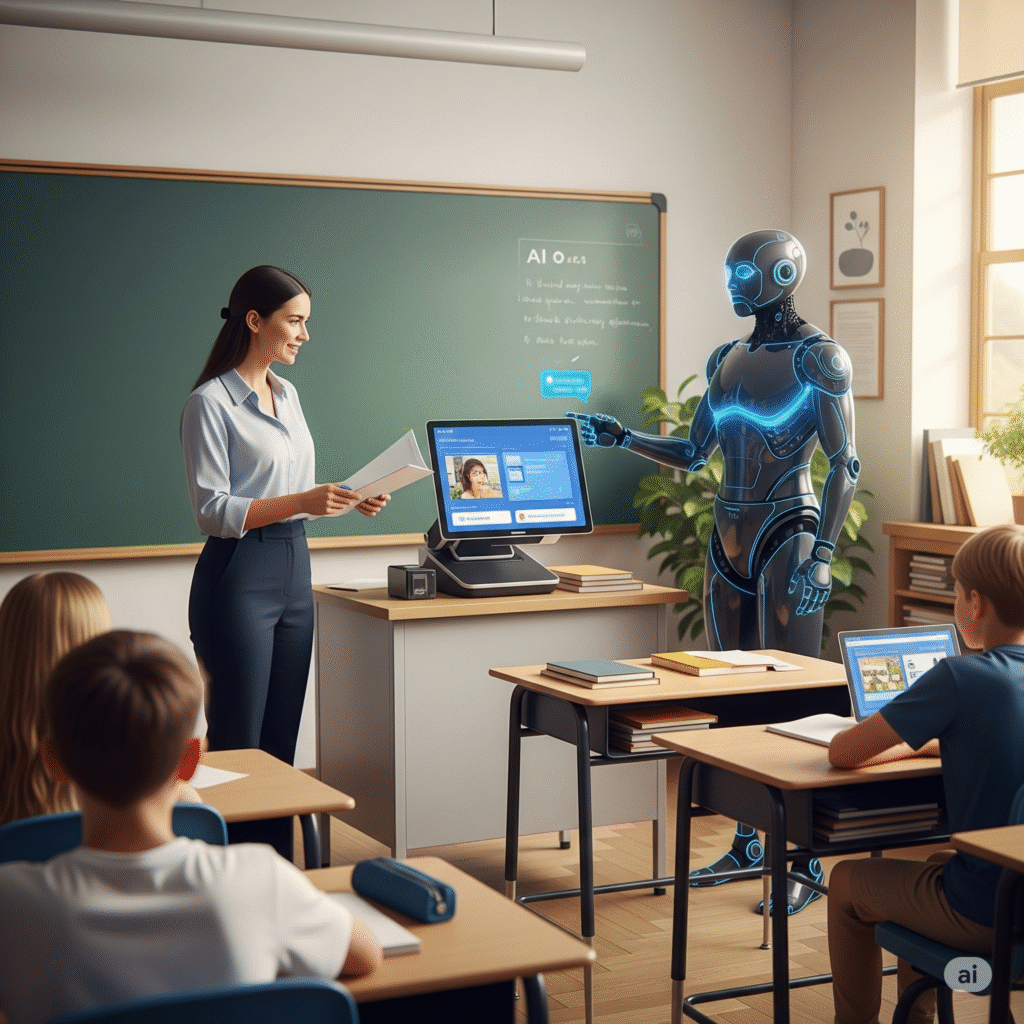
A key misconception is that AI will replace teachers. In reality, AI Pedagogy and EdTech AI amplify human capabilities by automating routine tasks and enriching classroom interactions.
Teachers using AI tools report:
- More time for personalized coaching.
- Enhanced ability to identify learning gaps.
- Better management of diverse student needs.
Quote: Dr. Rose Luckin, author of Machine Learning and Human Intelligence, argues that AI will enable a new “collaborative intelligence” between humans and machines.
Addressing Challenges: Ethics, Bias, and Equity
AI in education raises complex ethical questions:
- Bias in Data: AI can perpetuate existing inequalities if trained on unrepresentative data.
- Privacy Concerns: Student data must be safeguarded rigorously to comply with regulations like FERPA and GDPR.
- Access Disparities: Not all schools have the resources to adopt AI tools, risking a digital divide.
Callout: Ethical AI frameworks such as those proposed by UNESCO should guide development and deployment to ensure fairness and transparency.
Real-World Applications and Case Studies
Let’s look at more examples showcasing effective AI Pedagogy and EdTech AI:
- Georgia State University: Their AI chatbot “Pounce” helped reduce summer melt by guiding students through enrollment, contributing to a 22% increase in graduation rates.
- AltSchool: Uses AI to analyze student behavior and adapt lesson plans, promoting inquiry-based learning.
- Khan Academy: Recently incorporated GPT-based tutors that provide conversational support and explanations, significantly improving learner engagement.
How to Implement AI Pedagogy in Your Institution
For successful adoption:
- Step 1: Conduct a Needs Analysis: Survey teachers and students to identify pain points AI can address.
- Step 2: Start Small with Pilots: Choose one AI tool aligned with your goals for a test run.
- Step 3: Train Educators: Provide ongoing professional development focused on AI literacy and ethics.
- Step 4: Engage Stakeholders: Include parents, IT staff, and administrators early to build buy-in.
- Step 5: Measure Impact: Use data to evaluate effectiveness and guide scaling.
Additional Resource: Visit digitalailiens’s detailed guide on navigating AI tool adoption and risks here.
The Future of AI in Education
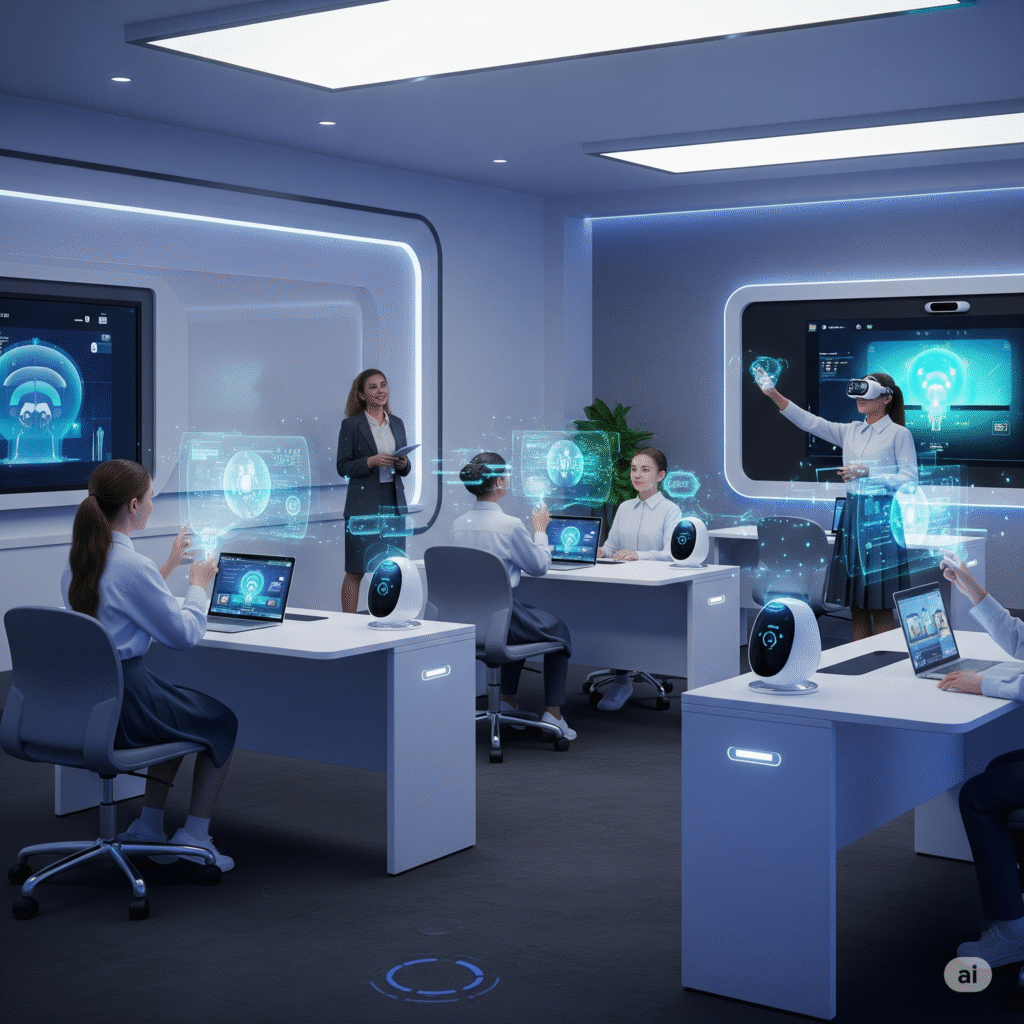
Looking ahead, AI Pedagogy and EdTech AI will:
- Incorporate emotional AI that detects student moods to tailor engagement.
- Use augmented reality (AR) powered by AI for immersive learning.
- Develop AI-driven lifelong learning companions supporting learners beyond formal education.
digitalailiens continues to track and analyze these trends, offering forward-looking resources for educators and decision-makers.
Building Digital Literacy for the AI-Driven Classroom
As AI becomes integral to education, building digital literacy in both teachers and students is essential. Digital literacy goes beyond basic computer skills — it encompasses the ability to understand, evaluate, and ethically use AI-driven tools.
Why Digital Literacy Matters:
- Teachers must understand how AI algorithms work to effectively integrate AI Pedagogy.
- Students need to critically assess AI-generated content and data privacy implications.
- It fosters confidence in using AI tools without fear or misunderstanding.
Strategies to Build Digital Literacy:
- Incorporate AI awareness modules into teacher training programs.
- Use project-based learning where students explore AI applications.
- Promote discussions on AI ethics and digital citizenship.
Example: The International Society for Technology in Education (ISTE) provides frameworks and resources for enhancing digital literacy tailored to AI.
Investing in digital literacy prepares the education community for a future where AI and humans collaborate seamlessly.
Conclusion
The integration of AI Pedagogy and EdTech AI is reshaping education to be more personalized, efficient, and equitable. By embracing this shift, educators can unlock new opportunities for student success and innovation.
For ongoing insights, tools, and expert analysis, turn to digitalailiens — your trusted resource at the forefront of AI-driven education.
Ready to revolutionize your classroom or institution with AI Pedagogy and EdTech AI?
Visit digitalailiens for cutting-edge insights, practical guides, and ethical frameworks.
Have thoughts or questions? Share your experiences in the comments or link to this guide to help others navigate the AI education landscape.
What is AI Pedagogy and EdTech AI?
AI Pedagogy refers to the strategic and ethical integration of Artificial Intelligence tools and principles into teaching and learning practices. It’s about how educators use AI to enhance instruction and student engagement. EdTech AI encompasses the broader range of AI-powered technologies and platforms developed for educational purposes, from intelligent tutoring systems to administrative tools.
Why is AI becoming so significant in education now?
AI technologies have advanced rapidly, offering capabilities like personalized learning, automated tasks, and sophisticated data analysis. Educational institutions are recognizing AI’s potential to address long-standing challenges, enhance learning experiences, increase efficiency, and prepare students for an AI-driven future workforce.
Will AI replace human teachers?
Absolutely not. AI is a powerful tool designed to support and augment teachers, not replace them. The human element of teaching—emotional support, mentorship, critical thinking development, and nuanced understanding of individual student needs—is irreplaceable. AI can automate repetitive tasks, provide data-driven insights, and personalize learning, freeing up teachers to focus on higher-level instruction and meaningful student interaction.
What are the main benefits of integrating AI into education?
Key benefits include:
Personalized Learning: AI can tailor content, pace, and feedback to individual student needs and learning styles.
Increased Efficiency: Automation of administrative tasks (grading, scheduling, content creation) reduces teacher workload.
Enhanced Accessibility: AI tools can provide support for students with diverse learning needs, including language translation and adaptive materials.
Data-Driven Insights: AI can analyze student performance data to help educators identify learning gaps and refine teaching strategies.
Improved Engagement: Interactive AI tools and adaptive content can make learning more engaging and dynamic.
What is an Intelligent Tutoring System (ITS)?
An Intelligent Tutoring System (ITS) is a computer system that uses AI to provide personalized and immediate instruction or feedback to learners, mimicking the guidance of a human tutor. It adapts to the student’s progress and learning style, offering targeted support.
How does an ITS personalize learning?
ITS leverages AI to:
Assess Student Understanding: It continuously evaluates a student’s knowledge and identifies areas of struggle.
Adapt Content and Pace: It adjusts the difficulty, type, and sequence of learning materials and exercises based on the student’s performance.
Provide Immediate Feedback: It offers real-time, specific feedback on responses, helping students understand and correct mistakes quickly.
Guide Learning Paths: It can recommend resources, offer hints, and provide additional practice tailored to the student’s needs.
What are the limitations or challenges of ITS?
While powerful, ITS currently face limitations such as:
High Development Costs: Creating sophisticated ITS can be expensive and time-consuming.
Limited Scope: Many ITS are subject-specific and may not fully replicate the breadth of human teacher interaction, especially in areas requiring complex critical thinking or creative problem-solving.
Dependency on Data: The effectiveness of ITS relies heavily on the quality and quantity of data it’s trained on, which can also raise privacy concerns.
Lack of Emotional Intelligence: While some research explores “Affective Tutoring Systems,” current ITS generally lack the nuanced emotional understanding and rapport-building capabilities of human teachers.
What is adaptive learning, and how does AI enable it?
Adaptive learning is an educational approach that adjusts instruction in real-time based on a learner’s individual performance, needs, and preferences. AI plays a crucial role by powering the algorithms that analyze student data, identify learning patterns, and dynamically modify content, assessments, and learning paths to optimize the educational experience for each student.
How is adaptive learning different from traditional differentiated instruction?
While both aim to meet diverse student needs, adaptive learning, especially with AI, is distinct:
Scale and Real-time Adaptation: AI-powered adaptive learning can personalize instruction for a large number of students simultaneously and adjust in real-time as students interact with the material.
Data-Driven Decisions: It uses robust data analytics to inform pedagogical adjustments, going beyond what a human teacher can manually track.
Automated Content Tailoring: AI can automatically generate or select appropriate learning resources and exercises based on student progress.
What are the ethical concerns surrounding AI in education?
mportant ethical considerations include:
Data Privacy and Security: Protecting sensitive student data collected by AI systems is paramount.
Algorithmic Bias: Ensuring AI algorithms are fair and do not perpetuate or amplify existing societal biases (e.g., related to race, gender, socioeconomic status) in learning outcomes.
Academic Integrity and Plagiarism: Developing clear policies and teaching students responsible AI use to prevent misuse for cheating or plagiarism.
Equity and Access: Ensuring equitable access to AI tools and preventing a “digital divide” where some students are left behind due to lack of technology or AI literacy.
Over-reliance on AI: Promoting critical thinking and independent problem-solving, ensuring students don’t become overly dependent on AI for answers.
How can educators prepare for and effectively implement AI in their classrooms?
Key strategies include:
Professional Development: Teachers need training on how AI tools work, their pedagogical applications, and ethical considerations.
Start Small and Experiment: Begin with pilot programs or specific AI tools to understand their impact before widespread adoption.
Focus on Pedagogical Goals: AI should serve educational objectives, not be adopted merely for its novelty.
Foster AI Literacy: Teach students about AI – how it works, its potential, and its limitations, fostering critical engagement.
Develop Clear Policies: Establish guidelines for appropriate AI use by both teachers and students, addressing data privacy, academic integrity, and responsible digital citizenship.
Collaboration: Encourage dialogue and collaboration among educators, IT professionals, and administrators to share best practices and address challenges.
How can institutions ensure equitable access to AI EdTech?
Strategies for equitable access include:
Investing in Infrastructure: Providing reliable internet access and necessary devices for all students.
Open-Source and Affordable Tools: Prioritizing or exploring free/low-cost AI tools to reduce financial barriers.
Teacher Training: Ensuring all educators, regardless of their school’s resources, receive adequate training on AI integration.
Community Partnerships: Collaborating with community organizations to provide access to technology and support outside of school hours.
Curriculum Integration: Embedding AI literacy and responsible use into the core curriculum for all students.